
Automation and Agentic AI
What Would CEOs Let AI Decide Tomorrow?
Today, the question isn’t whether AI can make executive decisions. It’s about which decisions CEOs should always make themselves.


Today, the question isn’t whether AI can make executive decisions. It’s about which decisions CEOs should always make themselves.

India’s startup engine has never been short of money or talent. The resource it still rations is patience, the capital willing to wait out the decade that real invention takes.

An investor memo describing Pronto as a ‘data business leveraging its workforce’ has pushed a Bengaluru pilot into one of the earliest public tests of India’s new data protection regime.

India’s component makers are adding factory robots in growing numbers, but the payoff now depends on skills, process discipline, and production data that managers can actually trust.
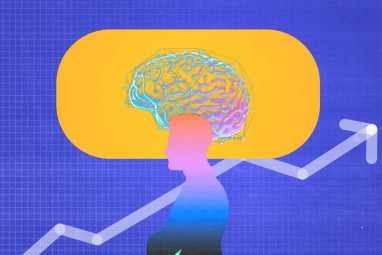
Indian enterprises are embedding AI faster than almost anyone. Weak data, lagging governance and untouched operating models are turning that speed into an expensive illusion of progress.

Companies expanding GenAI across the enterprise use new structures like an “AI spine” to coordinate efforts.

Across Indian enterprises, AI pilots are multiplying — and stalling. The bottleneck is rarely the model. It is the organization that deployed it.

India’s enterprises are encrypting data against a threat they have already crossed. The window to act is not opening. It is closing.
From government offices to research labs, the 50 people deciding how AI gets built, deployed, and governed across India.

India’s AI adoption is ahead of schedule. Its accountability architecture is still catching up.